The Different Types of Teeth Whitening Treatments and Which One is Right for You

The Different Types of Teeth Whitening Treatments and Which One is Right for You

The Different Types of Teeth Whitening Treatments and Which One is Right for You

The Different Types of Teeth Whitening Treatments and Which One is Right for You

A bright and dazzling smile is a sign of good health and is a great confidence booster. Teeth may discolor due to factors like age, diet, habits, and medications over time. Thankfully, there are various types of teeth whitening treatments available to help restore your pearly whites. But with so many options to choose from, how do you know which one is right for you? Let’s discuss various teeth whitening options to find the best one for your dental needs today.

In-office professional teeth whitening

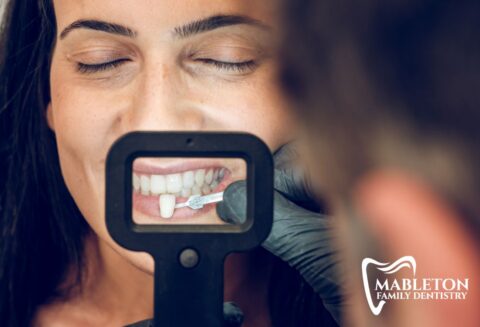
This type of treatment is performed by a dental professional in our Mableton GA family dentistry office. In a single appointment, a strong bleaching gel and special light quickly whiten your teeth. Office teeth whitening yields quick and dramatic results, brightening teeth by several shades in a single visit. This treatment is a great option for patients with severe staining or those who want quick and noticeable results.

At-home professional teeth whitening

This type of treatment involves using custom-made whitening trays that are filled with a lower concentration of bleaching gel. Wear trays daily for weeks until you reach your desired whiteness. At-home teeth whitening is affordable, convenient, and done at home, offering advantages over in-office treatments. This treatment is ideal for patients with mild to moderate staining who prefer a gradual whitening process.

Over-the-counter teeth whitening products

These products can be purchased at your local grocery or drugstore without a prescription. They include whitening toothpaste, whitening strips, pens, gels, and rinses. Affordable and easy to use, these products may take longer to show noticeable whitening and might not produce dramatic results. Additionally, some over-the-counter products may cause sensitivity or other oral health problems if used incorrectly. These treatments are best suited for patients with minimal staining or as a maintenance option after professional whitening.

Contact Us Today!

Now that you know the different types of teeth whitening treatments available, it’s important to consult with your Mableton family dentist to determine which one is best for your unique needs and goals. Mableton Family Dentistry provides safe, effective, and personalized in-office and at-home teeth whitening options. We also provide thorough dental exams and cleanings to ensure healthy teeth and gums before any whitening treatment. Contact us today to schedule your appointment and let us help you achieve a brighter and more confident smile!

Dental Veneers: An Overview of the Procedure and Its Benefits

Dental Veneers: An Overview of the Procedure and Its Benefits

Dental Veneers: An Overview of the Procedure and Its Benefits

Having a beautiful smile contributes to a person’s self-confidence, and having a great set of teeth is an essential factor in achieving that. People who have stained, chipped, or misaligned teeth are often embarrassed to show their teeth when they smile. If you’re one of these people, then dental veneers might be the solution for you. This dental procedure is commonly performed to achieve a stunning smile transformation. Today, we will discuss everything you need to know about dental veneers, including its benefits.

What Are Dental Veneers?

Dental veneers are thin, custom-made shells that are placed over the front surface of your teeth. They are made of either composite resin or porcelain material. Veneers are designed to improve the appearance of teeth that are discolored, worn down, chipped, or misaligned. The procedure can be done on a single tooth or multiple teeth, depending on your needs.

The Procedure

Getting dental veneers usually takes two to three appointments. During the initial appointment, your dentist near you will examine your teeth and determine if veneers are the right treatment for you. They will also discuss the procedure and the expected outcome. If you choose to proceed, the dentist will prepare your teeth by removing a small amount of enamel from the surface. This will make room for the veneer to be bonded to the tooth. The dentist will then take an impression of your prepared tooth and send it to a dental lab where your veneer will be custom-made. Once it’s ready, the dentist will place the veneer on your tooth and bond it using dental cement.

The Benefits of Dental Veneers

The benefits of dental veneers are numerous. First, they provide a natural appearance, and the color and shape can be customized to fit your needs. Veneers can also help improve the look of your teeth in a relatively short amount of time. They are durable and can last for many years with proper care, including regular brushing and flossing. The procedure is also minimally invasive and usually requires little to no anesthesia.

Aftercare

After getting dental veneers, it’s important to take good care of them to ensure their longevity. You should avoid biting or chewing hard objects, as this can damage the veneers. It’s important to practice good oral hygiene, including brushing twice a day and flossing at least once a day. You should also visit your dentist regularly for check-ups and cleanings.

Cost

The cost of dental veneers varies depending on various factors, such as the number of teeth being treated, the type of material used, and the complexity of the procedure. However, many dental insurance plans cover some or all of the cost of veneers. If you’re interested in getting veneers, it’s best to talk to your dentist, who can provide you with a more accurate cost estimate.

Contact Us Today!!

Dental veneers are an excellent option for people who want to enhance their smile and boost their confidence. If you’re considering getting dental veneers, talk to your dentist, who can help determine if the procedure is right for you. With proper care, you can enjoy a beautiful and healthy smile for many years to come.

Why Dental Cleaning Is Essential for a Healthy Mouth

Why Dental Cleaning Is Essential for a Healthy Mouth

Why Dental Cleaning Is Essential for a Healthy Mouth

The Importance of Dental Cleaning

The importance of oral hygiene cannot be overstated. Beyond a sparkling white smile, good oral health is vital for overall well-being. Healthy teeth and gums go beyond aesthetics and have a direct impact on overall health and wellness. At Mableton Family Dentistry, we strongly encourage patients to prioritize routine dental cleanings to maintain healthy teeth and gums. We are committed to providing quality care and education to keep our patients’ smiles dazzling and their overall health in top shape.

 Preventing gum disease

Routine dental cleanings are essential in preventing gum disease. Plaque and tartar buildup can cause gingivitis, the first stage of gum disease, if not treated promptly and properly. Regular cleanings help remove plaque and tartar buildup that brushing and flossing alone cannot remove. If not taken care of, gingivitis can lead to periodontitis, a severe gum infection that can lead to tooth loss.

 Early cavity detection and treatment

Dental cleanings ensure that your dentist or hygienist can detect any signs of tooth decay early on. Treatment at the earliest stage is the easiest. If left untreated, cavities can lead to tooth pain, infection, and even tooth loss.

Oral cancer screening

Dental cleanings include an oral cancer screening. Regular checkups with your dentist mean that they will be able to track any changes to your oral health, and their early detection of any suspicious changes is crucial for the best possible outcome.

Fresh breath and a healthy smile

There is nothing quite like the clean feeling you get after a dental cleaning. A professional cleaning removes surface stains, leaving your teeth looking and feeling polished. Additionally, cleanings are essential to maintaining fresh breath. Our hygienists will remove any food particles and plaque that brushing and flossing alone cannot.

 Keeping your overall health in check

The status of your oral health can have a considerable impact on your overall health. Poor oral health has been linked to diabetes, heart and lung diseases, and pregnancy complications. Regular dental cleanings can help keep a host of health issues at bay.

Contact of today!

Routine dental cleanings are crucial for maintaining optimal oral health. Beyond fresh breath and a sparkling white smile, cleanings play a significant role in preventing gum disease and cavities. Detecting any concerning changes to your oral health early on is vital, and an oral cancer screening is included in every dental cleaning at Mableton Family Dentistry. Keeping your overall health in check is another benefit of prioritizing routine dental cleanings. Our team at Mableton Family Dentistry is committed to providing quality care and education to keep your smile dazzling and your overall health in top shape. Schedule an appointment with us today and take the first step toward optimal oral health.

Preventing Bleeding Gums

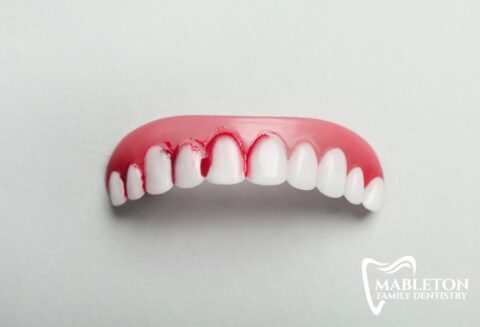
Preventing bleeding gums

Preventing Bleeding Gums

Keep Your Gums Healthy: Tips to Prevent Bleeding Gums

Healthy gums are crucial for maintaining good oral health. They keep your teeth firmly in place, protect them from harmful bacteria, and help prevent bad breath. Bleeding gums can be a sign of a more severe underlying issue, so it’s essential to take preventive measures to keep them healthy. If you are in Mableton, Georgia, and looking for a dentist who can help you care for your gums, you’ve come to the right place. In this post, we will discuss some tips that can help you with preventing bleeding gums and ensure that your gums are healthy.

Brush and Floss Regularly

The best way to prevent gum disease is to practice good oral hygiene. Brushing at least twice a day and flossing once a day can remove plaque and prevent it from building up on your teeth and gums. Make sure to use a toothbrush with soft bristles and ADA-approved toothpaste. Replace your toothbrush every three to four months, or when the bristles become frayed.

Use Mouthwash

Rinsing with an antibacterial mouthwash after brushing and flossing can help kill harmful bacteria and freshen your breath. Choose a mouthwash that is alcohol-free and has a seal of acceptance from the American Dental Association (ADA).

Eat a Balanced Diet

A balanced diet that is high in fruits, vegetables, and whole grains can provide your body with the vitamins and minerals it needs to keep your gums healthy. Avoid sugary and acidic foods and drinks, which can cause tooth decay and gum disease.

Quit Smoking

Smoking is not only harmful to your overall health, but it can also increase your risk of gum disease. Nicotine and tobacco can cause inflammation and reduce blood flow to your gums, making them more susceptible to infections.

Schedule Regular Dental Checkups

Regular teeth cleanings can help detect early signs of gum disease and prevent it from progressing. Your dentist can recommend the best oral hygiene practices for your unique oral health needs. Taking care of your gums is an essential part of maintaining good oral health. Practicing good oral hygiene, eating a balanced diet, and making healthier lifestyle choices, such as quitting smoking, can help prevent bleeding gums and gum disease. If you live in Mableton, Georgia, and are looking for a dentist to help you care for your gums, we are here to help. At Mableton Family Dentistry, our team can provide you with the care and advice you need to keep your gums healthy. Contact us today to schedule an appointment.

How to Avoid Plaque Buildup

How to avoid plaque build up

How to avoid plaque buildup

Tips to Keep Plaque Buildup at Bay

Plaque buildup is a common dental problem that affects people of all ages. It is a film of bacteria that covers teeth and gums, which when left unchecked, leads to more severe issues such as cavities, bad breath, and gum disease. Although complete plaque elimination isn’t feasible, you can prevent its buildup and curb its impact. In this post, we will share the best tips to keep plaque buildup at bay and maintain excellent oral health.

Brush at least twice a day

Brushing your teeth is the most effective way to eliminate plaque buildup. It should be done at least twice a day using a fluoride toothpaste and a soft-bristled brush. Brush your teeth for at least two minutes both in the morning and before bedtime. You can also reduce plaque buildup by brushing after meals or snacks.

Flossing

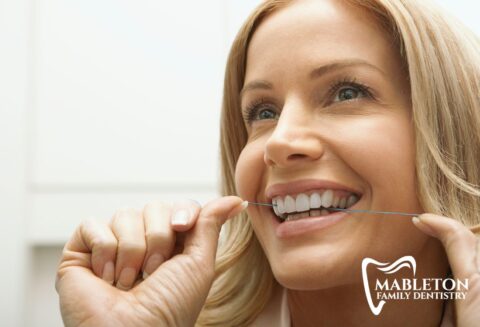
Flossing is essential for removing food particles between teeth and preventing plaque buildup. Flossing at least once a day with proper technique is an important part of your daily oral health regimen. Consider using a water flosser, an oral irrigation system that prevents plaque buildup with a stream of water between teeth.

Use an antimicrobial mouthwash

Using an antimicrobial mouthwash after brushing and flossing helps to kill bacteria that cause plaque buildup. Mouthwash also freshens your breath and keeps your mouth feeling clean throughout the day. Look for an alcohol-free mouthwash that is gentle on gums and teeth.

Limit sugary and acidic foods

Sugary and acidic foods are known to promote plaque buildup on teeth. They can weaken tooth enamel, making it more prone to decay. Cut back on sugary and acidic foods and drinks like soda and sweets to prevent cavities and dental issues.

Regular dental check-ups

Regular dentist visits, either quarterly or biannually, enhance the chances of early detection for gum disease, cavities, or oral cancer. Regular dental check-ups assess your oral hygiene and help adjust your care routine as needed.

Maintaining good oral hygiene and following the above tips can help prevent plaque buildup and maintain excellent oral health. Brushing and flossing regularly, limiting sugary and acidic foods, using an antimicrobial mouthwash, and regular teeth cleanings are the key steps towards healthy teeth and gums. Mableton Family Dentistry in Mableton, Georgia can help to detect and treat any dental issues that may arise. Contact us today to schedule an appointment. Remember, a healthy mouth can lead to a healthy body.

Signs of a tooth infection

Signs of a tooth infection

Signs of a tooth infection

Signs of a Tooth Infection: Everything You Need to Know

Do you feel a sudden sharp pain in your mouth? Or is one of your teeth sensitive when you chew or touch it? These could be signs of a tooth infection. Tooth infections can occur for a variety of reasons, and you should not ignore the symptoms. In this blog post, we will discuss the signs of a tooth infection and what you should do if you think you have one. We here at Mableton Family Dentistry, aim to provide you with useful information to keep your smile healthy and beautiful.

Severe toothache

One of the most common symptoms of a tooth infection is a severe toothache. This may occur suddenly or develop over time. The pain may be constant, throbbing or intense, and may be felt deep in the bone or around the tooth. If you have a fever, it may also indicate an infection. If the discomfort lasts more than a day, you should make an appointment with a dentist to avoid complications.

Swollen gums

In some cases, the gums around the tooth may become swollen, red or tender when you touch them. This is a sign that your body is trying to fight an infection in the tooth. Pus can also accumulate around the gumline, causing painful and foul-smelling breath. If your gumline is swollen or inflamed, it may be an indication of gum disease, which could lead to more severe complications if left untreated.

Tooth Sensitivity

If you experience sudden sensitivity to hot or cold temperatures, it may be a warning sign that you have a tooth infection. This is especially true when the sensitivity is focused on one particular area of the tooth. When the decay reaches the innermost layer of the tooth, the tooth’s nerves will likely become exposed through the tiny tubules inside the tooth, causing sensitivity.

Pain when eating

Another sign of a tooth infection is pain that increases when you eat or chew food, particularly when you apply pressure on the affected tooth. This pain arises when the bacteria in the infected pulp multiply and spread to the root canals. The bacteria can also spread to the surrounding bone, causing pain and swelling.

Discolored tooth

Lastly, if you have a tooth that has a strange color or appears to be dark or grayish, it may be a sign that you have an infected tooth. This occurs when the bacteria present in the damaged pulp travel through the walls of the tooth and infect the surrounding hard tissues. If you notice an abrupt change in color or hue of the tooth, see a dentist immediately.

In conclusion, a tooth infection is not something you should ignore, and early diagnosis is crucial. If you notice any of the above signs, make an appointment with a dentist as soon as possible. At our dental clinic in Mableton, Georgia, we provide comprehensive dental care for our patients, including emergency appointments for urgent cases. Contact us today if you suspect that you have an oral infection, our professional team will diagnose the problem, provide appropriate treatment and relieve your discomfort. We hope this blog post has provided you with insightful information about tooth infections and motivated you to prioritize regular dental checkups. We look forward to seeing you smile!

The Importance of Flossing Everyday

The Importance of Flossing Everyday

The Importance of Flossing Everyday

The Importance of Flossing Everyday: Why it’s Critical to Your Oral Health

Taking care of your teeth is vital to your overall health and well-being. However, many people don’t realize that flossing every day is an essential part of maintaining oral hygiene. In this blog post, we’ll discuss the importance of flossing daily and why skipping this simple step can lead to serious dental problems. Whether you’re in Mableton, Georgia, or anywhere else in the world, read on to discover the benefits of flossing and why you should make it a part of your daily dental routine.

Remove Plaque and Tartar Build-Up

Flossing removes food particles and bacteria from between teeth where toothbrushes can’t reach. When left untreated, these particles can build up, causing plaque and tartar to form. Plaque is a sticky, colorless substance that coats your teeth and can cause gum inflammation and tooth decay. Tartar, on the other hand, is a hard, yellow or brown deposit that forms on your teeth when plaque hardens.

Prevent Gum Disease

Gingivitis, or inflammation of the gums, is an early stage of gum disease caused by bacteria in plaque adhering to the teeth and gums. It is treatable and reversible when caught early, but if left untreated, it can lead to periodontitis, which is a more severe form of gum disease. Periodontitis causes the gums to recede from the teeth, leaving them exposed and susceptible to infection, and can even result in tooth loss. Flossing every day is a preventative dentistry practice to prevent plaque buildup and gum disease by removing harmful bacteria that cause these issues.

Saves Money on Dental Procedures

Dental work is costly, and it adds up quickly. Even something as simple as a filling can cost hundreds of dollars, and dental surgery can cost thousands. Failing to floss can lead to cavities, gum disease, and other issues that require dental work. By flossing every day, you can prevent these issues and save money on dental procedures in the long run.

Freshen Your Breath

Bad breath is a common issue that can be caused by many factors, including poor oral hygiene. When food particles remain in your mouth, they decay and give off a foul odor. Flossing helps remove these particles, preventing bad breath and giving you fresh breath instead.

Promotes Overall Health

Oral health is essential to overall health. Studies have linked gum disease to heart disease, diabetes, and other serious illnesses. Flossing every day can help prevent these conditions by removing harmful bacteria and preventing the spread of infection throughout the body.

Flossing every day is an essential part of maintaining your oral health. Skipping this simple step can lead to serious dental problems, like gum disease and tooth decay, and even larger issues like heart disease and diabetes. If you’re looking for a dentist in Mableton, Georgia, or anywhere else, find one that emphasizes the importance of flossing and incorporates education into their dental practice. Remember, prevention is always better than cure, so make flossing a part of your daily routine and enjoy a healthier, happier smile. Mableton Family Dentistry is here to help with all of your dentistry needs. Contact us today to schedule an appointment with our team. 

Benefits of Porcelain Veneers

Benefits of Porcelain Veneers

Benefits of Porcelain Veneers

Achieve Your Best Smile with Porcelain Veneers

Do you find yourself hiding your smile because of discoloration, chipped teeth, or gaps between your teeth? Porcelain veneers may be the solution to achieving the smile you’ve always wanted. With their ability to improve the shape, size, and color of your teeth, porcelain veneers provide both aesthetic and functional benefits. Read on to learn more about the benefits of porcelain veneers and why you should consider them for your dental needs.

Porcelain Veneers Look Natural

Porcelain veneers are custom-made to blend in seamlessly with your natural teeth. The veneers are made to match the color, size, and shape of your teeth to create a natural and beautiful smile. Veneers are also stain-resistant, so they will maintain their bright and white appearance for years to come.

Porcelain Veneers Improve the Function of Your Teeth

In addition to the cosmetic benefits, porcelain veneers can also improve the functionality of your teeth. If you suffer from chipped or cracked teeth, veneers can restore the structure of your teeth and protect them from further damage. Veneers can also help with bite alignment and improve the function of your jaw.

Easy Maintenance

One of the great benefits of porcelain veneers is that they require little maintenance. Brushing and flossing regularly, along with regular teeth cleanings, will help to maintain the longevity of your veneers. Avoiding hard and chewy foods that could damage the porcelain is also recommended.

Boost Confidence

An improved smile can do wonders for your confidence. With gorgeous, new veneers, you’ll be able to smile with confidence and without hesitation. And when you feel good about your smile, it can have a positive impact on every aspect of your life including your social and professional interactions.

Long-Lasting Results

Porcelain veneers are durable and long-lasting. When properly cared for, they can last up to 15 years or longer. Although they may be more expensive than other cosmetic dental procedures, their durability and longevity make them a smart investment.

Porcelain veneers provide both aesthetic and functional benefits. Whether you want to improve the appearance of your smile or correct a dental issue, porcelain veneers may be the solution for you. With their natural look, improved functionality, easy maintenance, confidence-boosting effects, and long-lasting results, porcelain veneers are a great investment for a brighter and happier smile. Contact us today at Mableton Family Dentistry to see if porcelain veneers are the right choice for you.

Dental Crowns FAQs

Dental Crowns FAQs

Dental Crowns FAQs

Dental Crowns: A comprehensive list of FAQs

Dental crowns are an essential part of cosmetic dentistry that not only improves your esthetics but also strengthens your oral cavity. If you have any questions about dental crowns, then this blog post is for you. In this blog post, we have compiled a list of dental crown FAQs so that you can have a better understanding of the treatment and decide if it is right for you.

What exactly is a dental crown?

A dental crown serves as a cap or cover to replace the natural crown (the visible part) of the tooth. The crown covers the tooth and protects it from cracks and breakages. The remaining tooth structure bonds the crown, ensuring the tooth stays stable and functions correctly.

Which materials do dentists use to create dental crowns?

Dental crowns have evolved over time, and the materials used to make them have changed along with them. These days, dentists craft dental crowns from various materials like porcelain, ceramic, or zirconia. Your dentist will recommend a material tailored to your dental needs, each with its unique properties.

How many appointments does dental crown treatment require?

Typically, the process requires two dental appointments with a span of one to two weeks. At the initial visit, the dentist removes decay from the tooth and takes an impression for the dental technician to create a custom crown. During the second appointment, the dentist will bond the custom crown to your natural tooth.

Can dental crowns break or fall out?

Dental crowns are incredibly durable and can last for years if taken care of properly. Avoid chewing on hard objects or applying excessive force to prevent crowns, like natural teeth, from breaking. Avoiding these habits can significantly extend the life of your crown.

How much does dental crown treatment cost?

Dental crown costs vary based on material and tooth location. Discuss pricing directly with your dentist for a more accurate estimate based on your specific needs.

Dental crowns are a great choice for improving oral health and enhancing your smile. Discuss your dental crown questions or concerns directly with a Mableton, GA dentist. Invest in your dental health with crown treatment; we hope this post addressed your questions. If you have more questions, please contact us at Mableton Family Dentistry, and we will be happy to help you.

Why Are Regular Teeth Cleanings Important?

Why Are Regular Teeth Cleanings Important

Why Are Regular Teeth Cleanings Important?

The Importance of Regular Teeth Cleanings: A Guide for Adults in Mableton, Georgia

When was the last time you visited the dentist for a teeth cleaning? If it’s been more than six months, it’s time to schedule your next appointment. Regular teeth cleanings are a critical component of maintaining excellent oral health. Not only do they help ward off common dental issues like gum disease and cavities, but they can also detect early warning signs of more severe conditions like oral cancer. In this blog, we’ll explore why regular teeth cleanings are so crucial and what you can expect during your appointment.

Prevent cavities and gum disease

Regular teeth cleanings help prevent cavities and gum disease. Your dentist will remove tartar and plaque buildup on your teeth, helping to reduce your risk of developing decay and gum disease. Even the most diligent at-home oral hygiene practices can leave some leftover bacteria, which can cause infections and gum issues.

Early detection of dental issues

One of the most significant benefits of regular teeth cleanings is the early detection of any dental issues. Your dentist will take x-rays and conduct a thorough oral exam, looking for anything out of the ordinary. This might include gum disease, cavities, and even oral cancer. Catching these conditions early is critical for effective treatment, so regular appointments are essential.

Maintain a bright and healthy smile

Your teeth can become discolored or stained over time, making your smile look dull or yellow. Regular teeth cleanings help remove surface stains and plaque buildup, which can lead to a brighter, more youthful-looking smile. In addition, cleanings help keep your gum line healthy, which is crucial for long-term oral health.

Protect your oral health

Your oral health is essential to your overall health and well-being. Oral infections and gum diseases can lead to dangerous infections that can affect your whole body. Regular teeth cleanings help prevent these issues from developing or becoming more severe, which can ultimately save you from more significant health issues down the line.

In conclusion, the importance of regular teeth cleanings cannot be overstated. They are a crucial component of maintaining good oral health and preventing serious dental issues. Make sure to schedule your next appointment with Mableton Family Dentistry in Mableton, Georgia, to stay on top of your oral health. Remember that prevention is always better than cure, and you deserve to keep your teeth and gums healthy for years to come.